
Hantavirus: Symptoms, Testing, Map Updates and Risk Awareness
Hantavirus is something that you do not hear about often. People usually do not talk about the virus. You might only learn about Hanta virus when you see a news report about it or when you get a warning before you travel somewhere.
Some people start learning about the virus when they find mouse droppings in their cabin or in their garage. It is normal to feel worried about the virus because the virus can start with symptoms that feel like you have the flu. Sometimes the virus can get very severe. That is why you should be concerned about the virus.
This page is going to tell you what Hantavirus is. It will explain how people get exposed to the virus. You will learn what signs to look out for when you might need to get a test, for Hantavirus. You will also learn how to understand the map that shows where the virus is found so you know what your own risk is of getting the disease.
The goal of this page is to help you make safer decisions about Hanta virus not to scare you.
Current Hantavirus Snapshot
A clear overview of reported figures linked to the Andes hantavirus cruise-ship outbreak.
Confirmed Cases
9Andes hantavirus cruise-ship outbreak
Probable Cases
2Under outbreak investigation
Total Deaths
3Reported among confirmed/probable cases
Suspected Cases
0As listed by ECDC
Data is based on official public health updates and may change as investigations continue.
What Is Hantavirus?
Hanta virus is a group of viruses that are carried mainly by rodents. There are types of the virus that exist in different regions of the world. Hantavirus is the medical term although some people write it as “hanta virus” online. Some are linked with lung disease, especially in the Americas. Others are more often connected with kidney-related illness in Europe and Asia.
To know about Hanta virus is to know that it usually comes from touching or breathing in things that have had contact, with urine, droppings, saliva or nesting material from rodents that carry Hanta virus. The virus is a concern and being aware of it can help you stay safe. When you disturb these things in dry and enclosed spaces tiny particles can become airborne. The World Health Organization says that when you breathe in these particles you can get Hantavirus. Rodents can carry Hanta virus. They might not even look sick.
Why Hantavirus Disease Matters
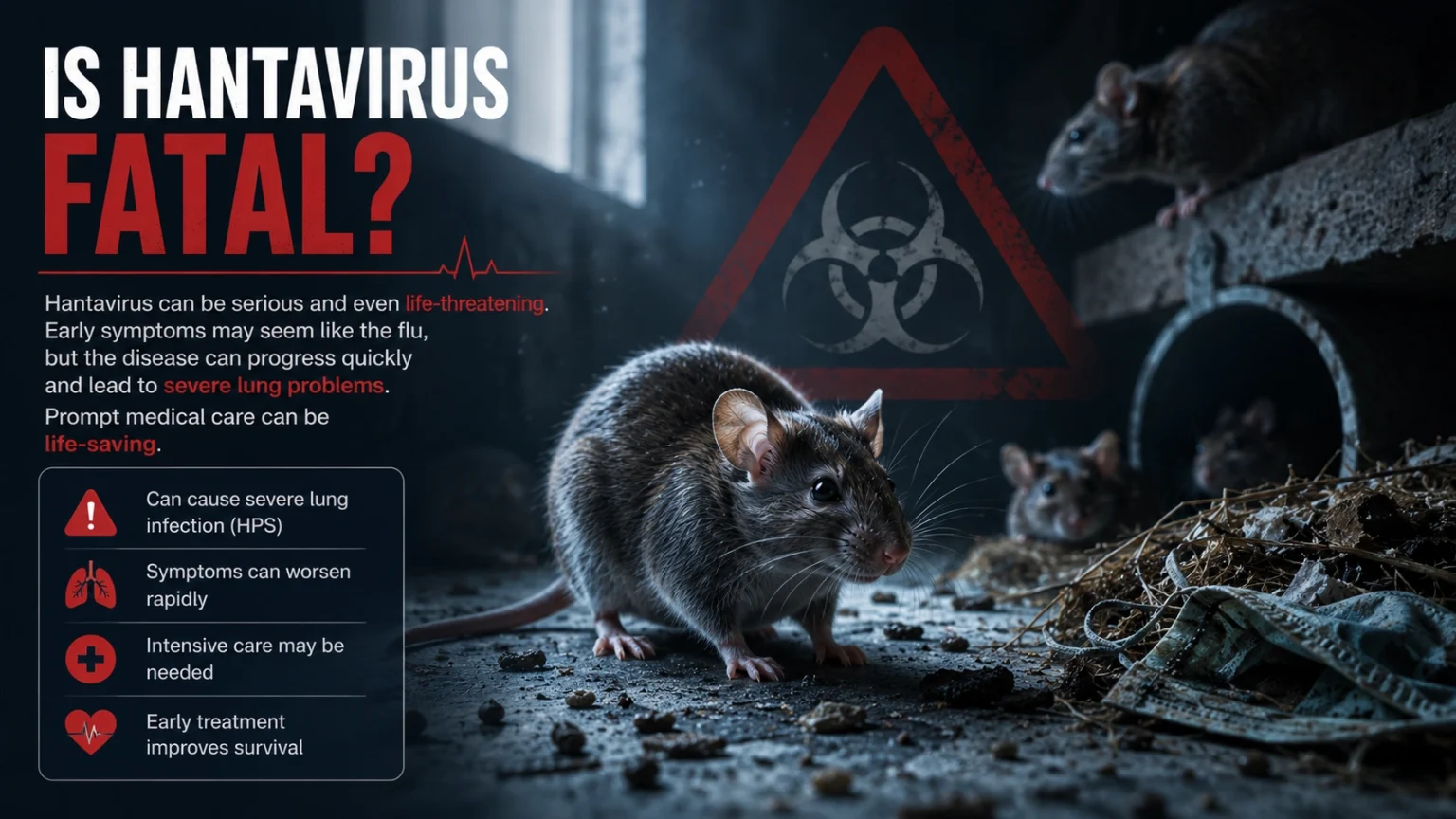
Hanta virus is not common. It can get severe very quickly. At first it can feel like you have the flu, a stomach bug. You are just really tired. The issue with the virus is that some people then develop breathing problems or they get blood pressure or they even go into shock or they have kidney problems from Hanta virus.
In the United States the Centers for Disease Control and Prevention reported 890 cases of Hanta virus from 1993 to 2023. The map that the CDC makes public shows where cases have happened by state not by county to keep patients information private.
That does not mean every mouse exposure is an emergency. It means you should take possible exposure seriously if symptoms appear afterward.
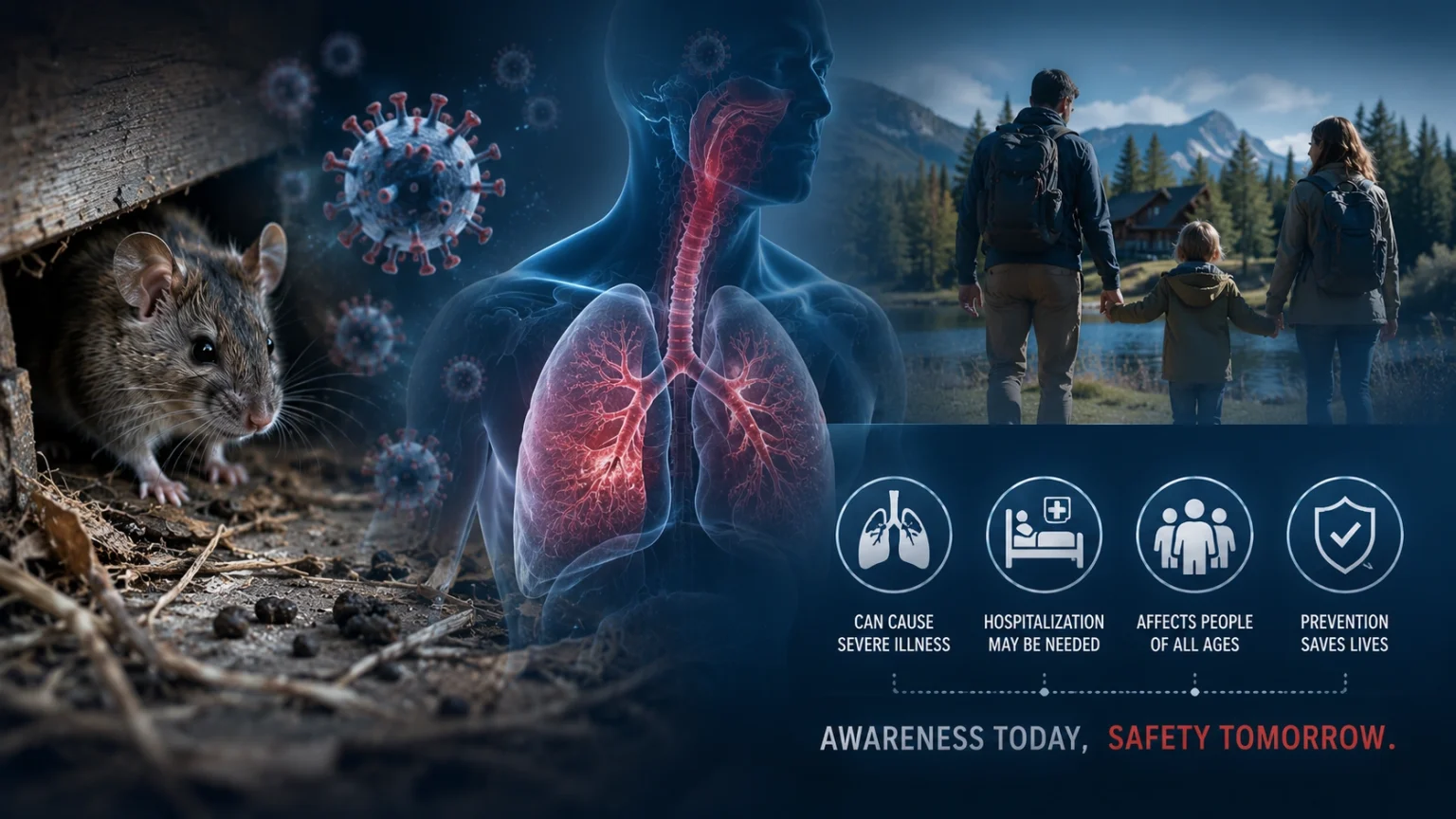
Quick Overview
Topic | What It Means |
Main source | Rodents that have infections and the things they leave behind like droppings, urine, saliva or nests can be bad for you. |
Common exposure | When you clean or mess with spaces where rodents have been running around you can get sick. |
Early symptoms | Fever, fatigue, muscle aches, headache, nausea, stomach pain |
Serious signs | Cough, shortness of breath, chest tightness, severe weakness |
Testing | Blood tests, antibody tests, and sometimes RT-PCR in medical settings |
Treatment | Supportive hospital carhantaviruse when needed |
Map use | Helpful for regional awareness, not personal diagnosis |
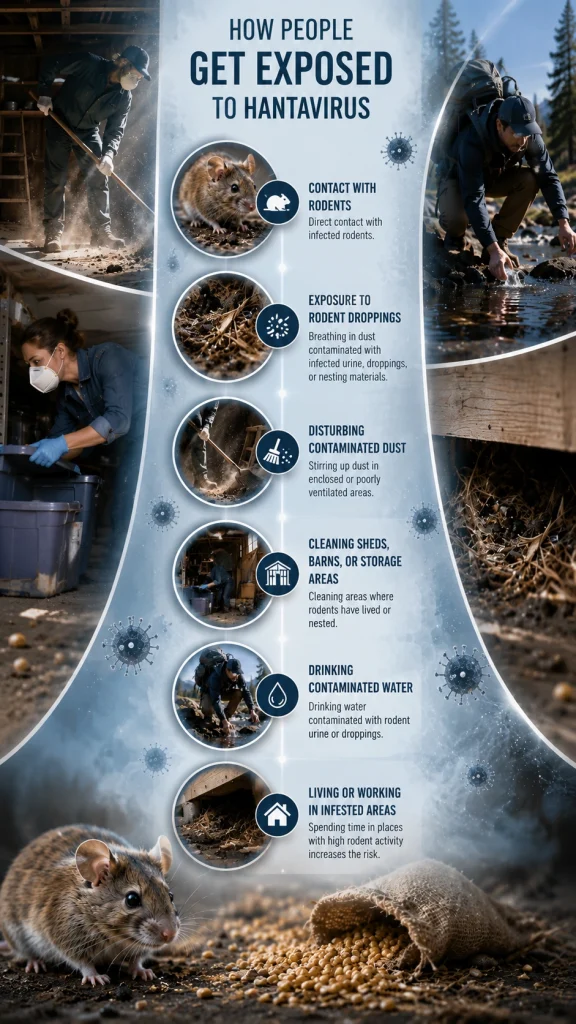
How People Usually Get Exposed
Most people do not get infected from simply seeing a mouse run across the floor. Risk is more often connected with contaminated dust or direct handling of rodent waste.
Exposure may happen during:
- sweeping or vacuuming dry mouse droppings;
- opening a cabin, shed, barn, attic, or basement after weeks or months;
- moving stored boxes, tools, firewood, or old furniture;
- sleeping in buildings where rodents can enter;
- cleaning nesting material without gloves or disinfectant;
- camping near rodent activity or food waste;
- working in farming, forestry, construction, pest control, or cleaning;
- touching contaminated surfaces and then touching the face.
The riskiest combination is ventilation, dry rodent waste and fast cleaning that sends dust into the air.
Hantavirus Symptoms
This is the combination of all poor ventilation, dry rodent waste and fast cleaning that sends dust into the air.
Hanta virus symptoms can be hard to recognize because they do not always look unusual. A person may feel feverish, tired, sore, dizzy or nauseous. At first Hantavirus symptoms may seem like a virus, like the ones we get every year.
Common early symptoms of Hanta virus may include:
- fever or chills;
- strong tiredness;
- muscle aches, especially in the back, hips, thighs, or shoulders;
- headache;
- dizziness;
- nausea, vomiting, diarrhea, or abdominal pain;
- loss of appetite;
- general weakness.
The serious signs of the virus usually show up when the illness starts to affect your breathing or blood circulation. If you have a cough feel pressure in your chest are short of breath or get suddenly worse after a days of fever you should take it very seriously.
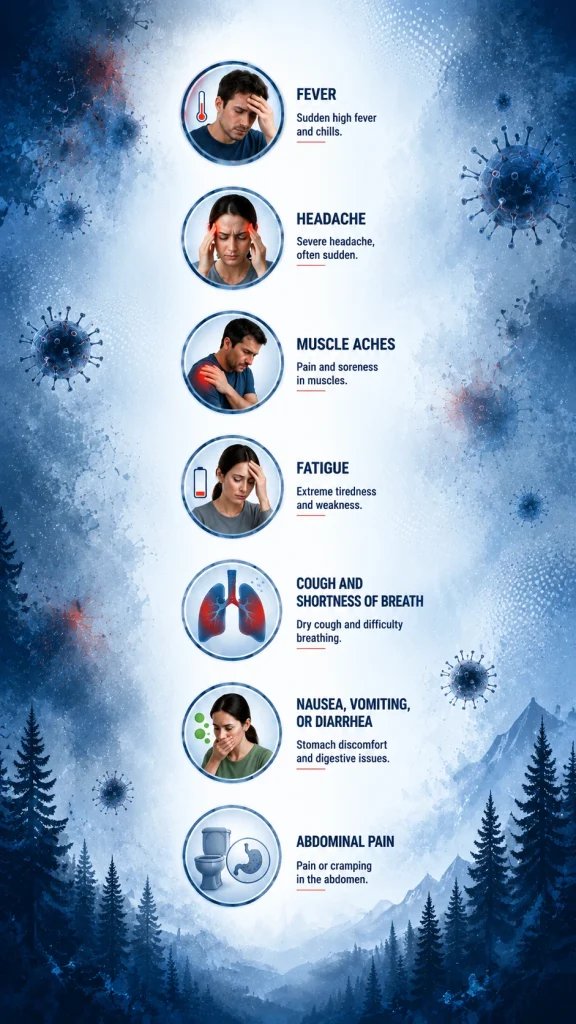
Some people look for hanta virus symptoms because they want a list to check. The thing is, there is no one symptom that can tell you for sure if you have Hanta virus when you are, at home. It is just as important to think about how you might have been exposed as it’s to look at your symptoms.
Early Symptoms vs Serious Warning Signs
Stage | Possible Signs |
Early illness | Fever, chills, fatigue, muscle pain, headache |
Digestive symptoms | Nausea, vomiting, diarrhea, stomach pain |
Worsening illness | Cough, chest tightness, shortness of breath |
Severe illness | Low blood pressure, shock, fluid in lungs, kidney problems in some forms |
Emergency concern | Breathing trouble after possible rodent exposure |
The Centers For Disease Control And Prevention notes that Hantavirus symptoms can look like the flu and other illnesses which makes it hard to figure out what is going on at first. To know for sure if someone has Hantavirus a blood test is usually necessary.
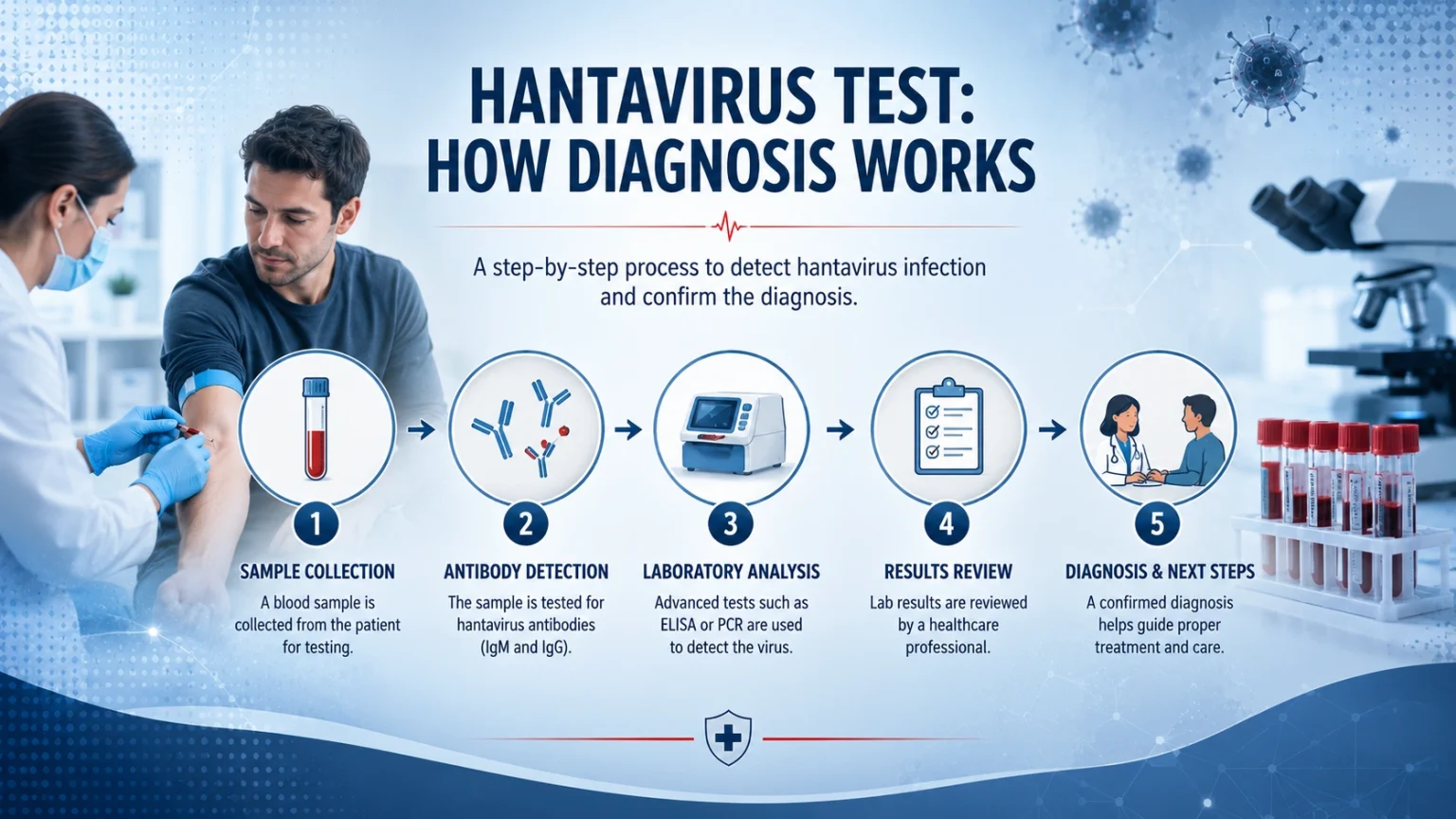
Hantavirus Test: How Diagnosis Works
A test for Hantavirus is not something you can do at home like a coronavirus test. You cannot be sure if you have Hantavirus or not without going to a doctor. These tests are typically set up by healthcare professionals, hospitals, public health laboratories or special labs.
Doctors might decide to test someone for Hantavirus if they have symptoms that could be Hantavirus and they may have been around something that could give them the illness. This could include things like cleaning up after rodents being in a building with rodents working outside traveling to a place where people have gotten Hantavirus or being, around someone who has the illness.
The World Health Organization says that to confirm someone has Hantavirus they might use a blood test to look for antibodies like IgM antibodies or to see if the level of IgG antibodies is going up. They might also use a test called RT-PCR to look for the virus itself when the person is first getting sick.
In simple terms, testing may involve:
- blood tests looking for antibodies;
- repeat testing if the first test is too early;
- PCR-based testing in some acute cases;
- other lab work to rule out illnesses with similar symptoms;
- chest imaging or oxygen monitoring if breathing symptoms are present.
The Centers, for Disease Control and Prevention the CDC notes that it can be hard to tell if someone has Hantavirus within the 72 hours. The CDC says that doctors may need to do tests after Hantavirus symptoms show up. The CDC is saying this because Hantavirus can be tricky to figure out that is why the CDC is warning people.
When to Seek Medical Help
If you think you were around something that could have given you Hantavirus and now you are feeling sick do not wait for things to get really bad. There are illnesses that can cause a fever and muscle aches.. If you have trouble breathing after being around rodents you need to get help right away. This is really important.
Seek medical help quickly if you have:
- fever after cleaning rodent droppings or nests;
- strong fatigue with muscle aches after possible exposure;
- cough or chest tightness;
- shortness of breath;
- dizziness, fainting, or confusion;
- worsening illness after several days;
- severe vomiting or dehydration;
- reduced urination or signs of kidney trouble.
Tell medical staff about possible rodent exposure clearly. Do not assume they will ask. A simple sentence can help: “I cleaned an area with mouse droppings a few days ago.”

Hantavirus Map: What It Can and Cannot Tell You
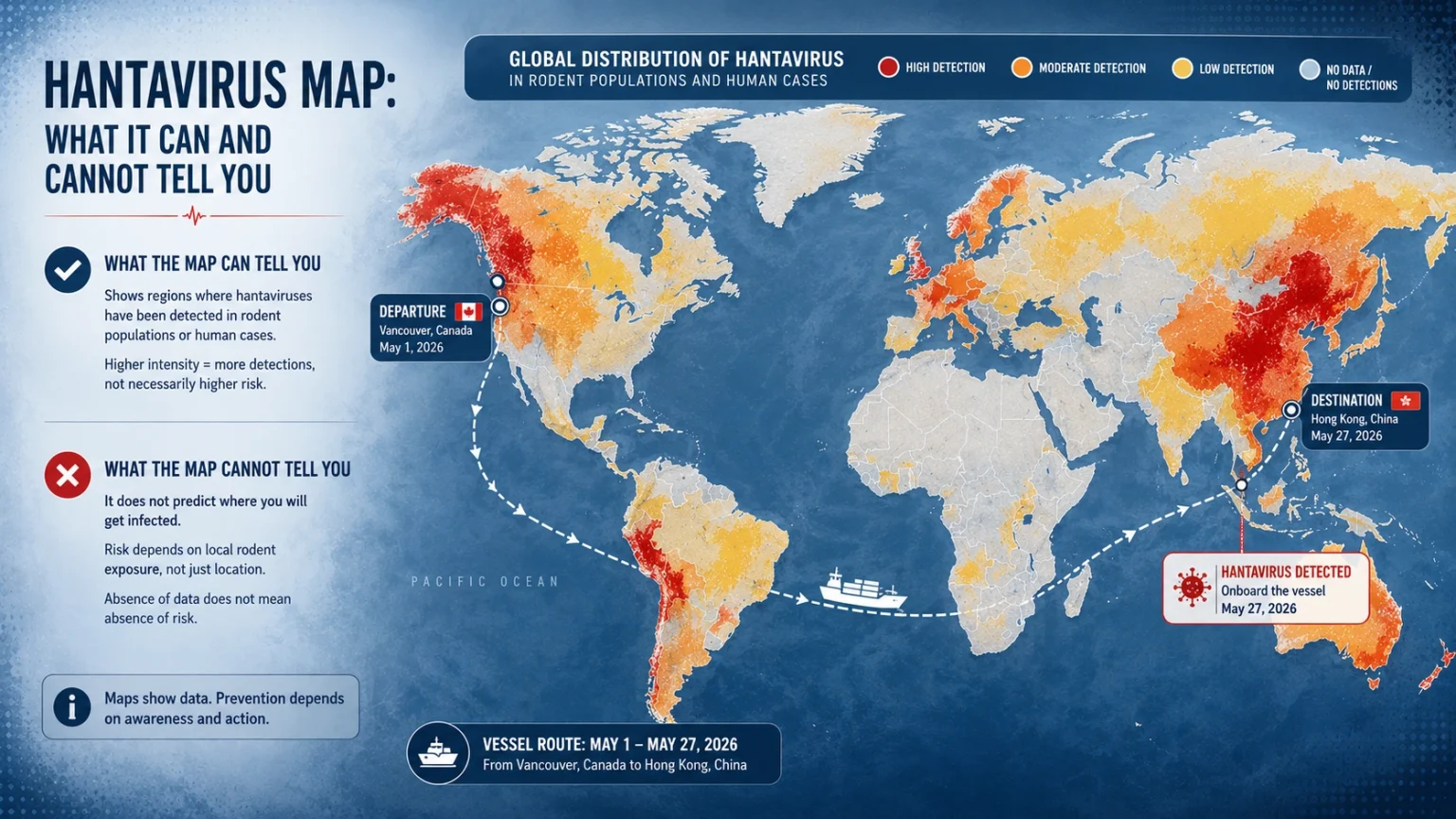
A Hanta virus map can be useful, but it needs context. It may show reported cases, endemic regions, outbreak locations, or rodent ranges. Hantavirus is a thing. It cannot tell you whether you personally are infected with Hantavirus.
For example the CDCs U.S. Map shows reported virus cases by state from 1993 through 2023. However it does not show county-level details about Hanta virus cases. This is done to protect peoples privacy. It also means the Hantavirus map is not very detailed.
A good way to use a map is to ask:
- Has the virus been reported in this region?
- Are there current health alerts?
- Is my activity linked with rodent exposure?
- Did I enter a closed or dusty space with droppings?
- Do I have symptoms after that exposure?
A map is a starting point. Your actual risk depends on what happened around you.
Hantavirus News: Why People Are Paying Attention
There has been a lot of Hanta virus news lately. This is because of the Andes virus updates linked to the MV Hondius cruise ship. The ECDC reported that as of 19 May 2026 there were 11 Hantavirus cases connected with that cluster: 9 confirmed the virus cases and 2 probable Hanta virus cases.
This does not mean the virus spreads like flu or COVID. Most types do not usually spread person to person. Andes virus is important because it is the one Hanta virus known to allow limited person-to-person transmission in some situations, usually after close and prolonged contact. PAHO notes that such transmission has been associated especially with close household or intimate contact.
For most readers, the bigger everyday issue is still rodent exposure, not casual contact with strangers.
Check Your Hantavirus Risk Awareness
This short quiz does not diagnose infection. It simply helps you understand how aware you are of common risk situations.
Choose one answer for each question, then press the button to see your result.
Answer all questions to see your result
Your risk-awareness result will appear here after you complete the quiz.
Sponsored Risk & Reward Break
Finished the quiz? You have just tested your awareness of real-world risk. Some readers also enjoy risk-based games and probability challenges as entertainment. If this page includes a sponsored gaming offer remember that gambling is for adults. You should never think of gambling as a way to make money. It always involves financial risk. So only play games where it’s legal set limits for yourself and stop playing if it no longer feels like entertainment. You have to be careful with Hantavirus and, with gambling.
Prevention: What Actually Helps
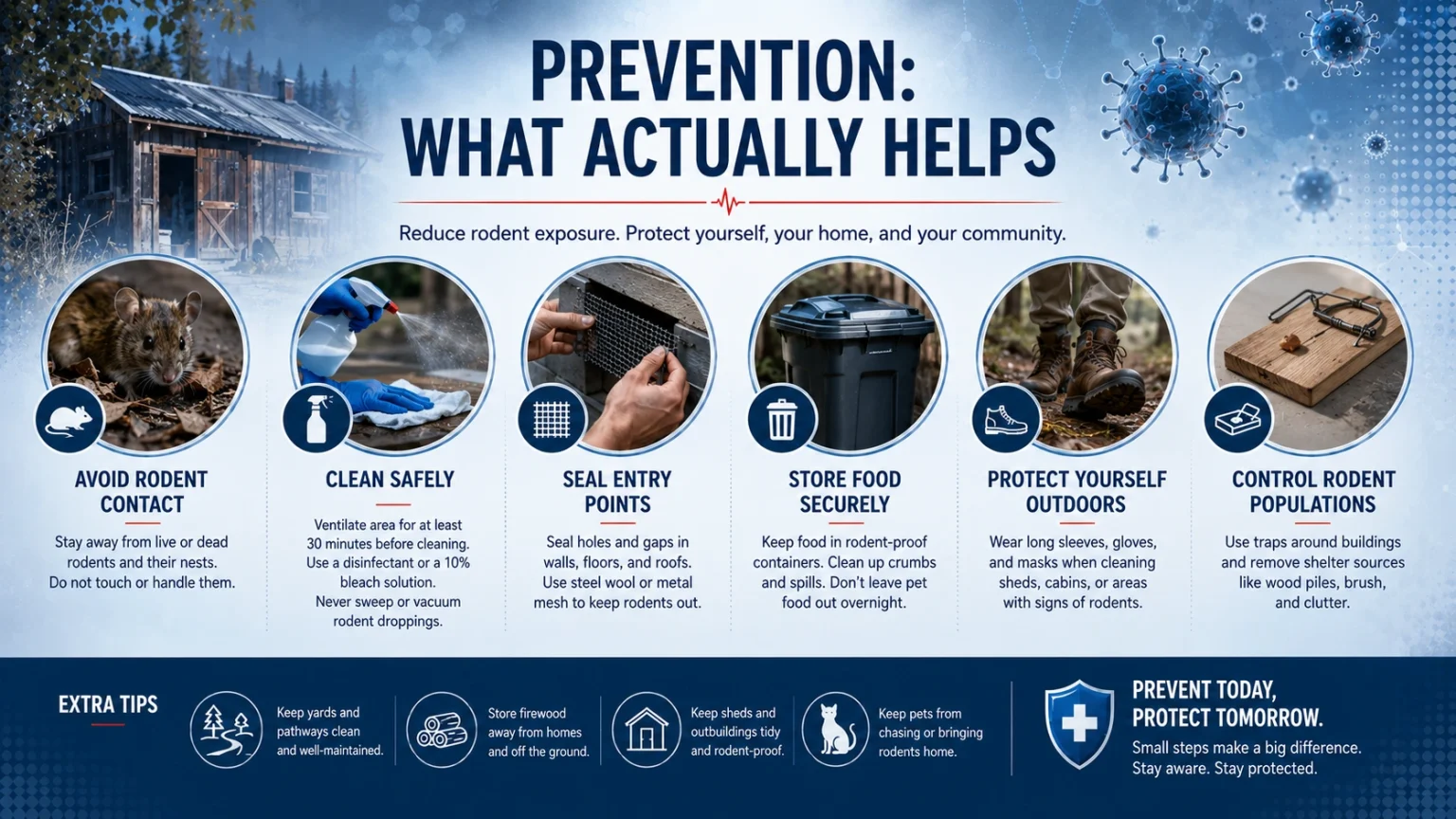
Prevention is mostly practical. You do not need to fear every outdoor space, but you should respect signs of rodent activity.
Useful prevention habits include:
- seal holes and gaps around doors, pipes, vents, roofs, and foundations;
- store food, pet food, bird seed, and animal feed in sealed containers;
- remove clutter where rodents can nest;
- keep trash closed and away from living spaces;
- use traps when rodents are active;
- ventilate closed buildings before cleaning;
- avoid sweeping or vacuuming dry droppings;
- spray contaminated areas with disinfectant before wiping;
- wear gloves during cleanup;
- call professionals for heavy infestations.
The safest cleaning method is slow and damp, not fast and dusty.
Treatment and Recovery
There is a lot of talk about Hantavirus because of the news about the Andes virus and the MV Hondius cruise ship. The European Centre for Disease Prevention and Control said that as of 19 May 2026 there were 11 cases linked to the ship: 9 cases were confirmed and 2 cases were probable.
You cannot treat Hantavirus at home. Doctors help patients with Hanta virus breathe. They make sure patients with Hanta virus have fluids and that their organs are working properly while their body fights the Hantavirus infection. The Centers for Disease Control and Prevention says that there is no medicine for Hantavirus.
The CDC says that patients may need help from doctors to get better. If someone has bad lung disease they may need help breathing. If someone has kidney problems, from Hantavirus they may need dialysis.
If someone has Hanta virus they may need to go to the hospital. Hospital care for people with Hantavirus may include oxygen, careful fluids, blood pressure support, intensive monitoring, ventilation, dialysis or other advanced support in cases of Hantavirus.
It is very important to get help. A person with the virus who waits until breathing becomes very difficult may have treatment options than someone with Hanta virus who seeks care sooner.
Common Myths About Hantavirus
There are a lot of misunderstandings about Hantavirus that make it more confusing than it needs to be. Here are a few points worth clearing up.
You can always tell if a rodent carries the virus.
Infected rodents may look normal.
The illness always starts with breathing problems.
Early symptoms may look like flu or stomach illness.
A map can show your exact personal risk.
Maps show reported patterns, not individual diagnosis.
A clean-looking cabin is always safe.
Dry droppings or nests may be hidden in storage areas.
If symptoms are mild at first, they cannot become serious.
Some cases worsen after the early stage.
Final Safety Note
Hantavirus is rare, but it rewards caution. The most useful steps are simple: avoid stirring up rodent dust, clean contaminated areas safely, know the signs of Hanta virus, and seek medical help if illness develops after possible exposure.
If you remember one thing from this page, make it this: do not dry sweep mouse droppings. Ventilate, disinfect, wipe carefully, and protect yourself.
Hantavirus Questions, Answered Clearly
How do you get Hantavirus?
People usually get Hanta virus by breathing in tiny particles from infected rodent urine, droppings, saliva, or nesting material. This can happen when dry contaminated material is swept, vacuumed, or disturbed in closed spaces such as cabins, sheds, garages, barns, attics, or storage rooms. CDC notes that Hantaviruses are spread mainly by rodents.
How long does Hantavirus last in humans?
The illness timeline depends on the virus type and disease severity. Early symptoms can last several days before the condition either improves or moves into a more serious phase. CDC notes that complete recovery from some Hantavirus-related kidney illness can take several weeks to months.
How long does Hantavirus live on surfaces?
There is no single exact time for every surface. Survival depends on temperature, humidity, sunlight, ventilation, and the type of contaminated material. Because the virus may remain risky in rodent waste for some time, health guidance focuses on safe cleanup: avoid dry sweeping or vacuuming, dampen contaminated areas first, and use disinfectant. WHO specifically recommends avoiding dry sweeping or vacuuming rodent droppings and dampening contaminated areas before cleaning.
What are the symptoms of Hantavirus in adults?
Symptoms of Hantavirus in adults often begin like flu or stomach illness. Early signs may include fever, chills, headache, muscle aches, dizziness, nausea, vomiting, diarrhea, abdominal pain, and strong fatigue. More serious symptoms can include coughing, chest tightness, shortness of breath, low blood pressure, shock, or kidney problems, depending on the type of illness.
Do all mice carry Hantavirus?
No. Not all mice carry Hanta virus. Only certain rodent species can carry specific Hantaviruses, and risk varies by region. Still, you cannot tell whether a mouse is infected by looking at it, so any rodent droppings or nests should be handled carefully.
When should someone ask about a Hantavirus test?
A person should speak with a healthcare provider about testing if they develop fever, severe tiredness, muscle aches, stomach symptoms, cough, or breathing problems after possible rodent exposure. WHO states that diagnosis may involve serological testing for Hantavirus-specific antibodies or molecular methods such as RT-PCR during the acute phase.
Can a Hantavirus map show whether I am infected?
No. A Hanta virus map can show reported cases or regional patterns, but it cannot diagnose a person. Your real risk depends on exposure history, symptoms, local rodent activity, and medical evaluation.